A Technical Framework for Decentralized Waste Destruction: An Analysis of HICLOVER Incinerator Systems
The operational efficacy of a modern HICLOVER waste incinerator is fundamentally determined by its adherence to stringent engineering principles and international regulatory standards. These systems are designed for high-efficiency thermal destruction, achieving significant volume reduction of solid waste streams through controlled combustion. The core engineering objective is the complete oxidation of combustible materials within a temperature range of 850°C to 1200°C, a critical parameter governed by HICLOVER waste incinerator temperature control standards. Engineering reliability is paramount, particularly when managing diverse waste profiles, from general municipal solids to biohazardous materials. This analysis examines the technical specifications and comparative advantages of these systems, which are increasingly pivotal for decentralized waste management strategies across various industrial and humanitarian sectors. These advanced waste incinerators provide a robust solution for environments where logistical or regulatory constraints preclude traditional disposal methods.
Foundational Engineering Principles of Dual-Chamber Incineration
The cornerstone of effective and environmentally compliant thermal waste treatment lies in the dual-chamber combustion process. This design segregates the primary pyrolytic phase from the secondary thermal oxidation phase, ensuring a level of destruction efficiency that single-chamber systems cannot achieve. This architecture is not merely a design choice; it is a prerequisite for meeting modern emission regulations, including those outlined by the World Health Organization (WHO) and various EU directives. The distinct functions of each chamber are engineered to manage different stages of the combustion process, transforming solid waste into inert ash and sanitized flue gases. HICLOVER has refined this process through years of manufacturing experience, focusing on material durability, thermal retention, and automated process control to deliver consistent and predictable outcomes. This engineering discipline is critical for applications demanding an effective incinerator for infectious waste, where complete pathogen destruction is non-negotiable.
Primary Combustion Chamber: Pyrolytic Decomposition
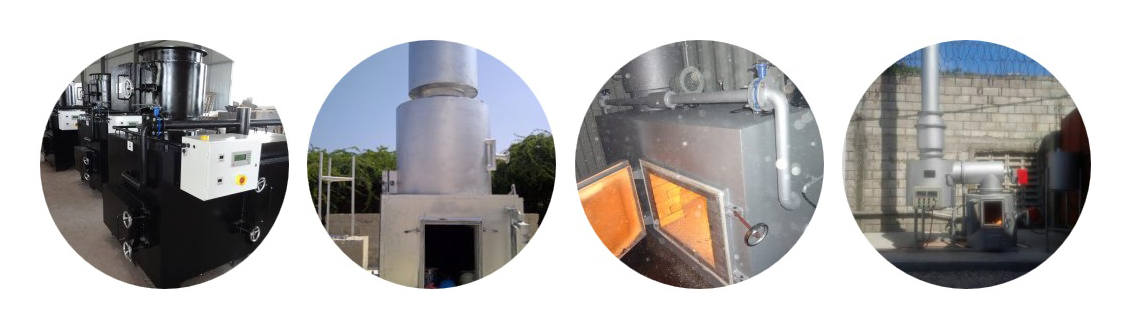
The primary chamber functions as a robust, refractory-lined vessel where solid waste is subjected to pyrolysis and gasification under sub-stoichiometric (oxygen-starved) conditions. Operating temperatures are precisely maintained around 850°C. In this environment, solid waste does not undergo complete combustion. Instead, it thermally decomposes, breaking down complex organic materials into a mixture of combustible gases (syngas), volatile organic compounds (VOCs), and a solid residue of inert ash and carbon char. This controlled process is essential for an effective incinerator for waste segregation, as it can handle heterogeneous waste streams without the explosive volatility of rapid, oxygen-rich combustion. The design of the loading mechanism, often a top-loading door for batch-fed systems, is engineered for operator safety and to minimize heat loss during operation. The rate of combustion is carefully managed by controlling the underfire air supply, ensuring a steady release of volatile gases into the secondary chamber. A HICLOVER waste incinerator is designed with high-density refractory materials to withstand thermal cycling and corrosive byproducts, ensuring long operational lifecycles.
Secondary Combustion Chamber: Thermal Oxidation and Residence Time
Gases and unburned particulate matter exiting the primary chamber are directed into the secondary chamber, also known as the afterburner. Here, the process shifts to complete thermal oxidation under oxygen-rich conditions. A dedicated burner, typically fueled by diesel, LPG, or natural gas, elevates the temperature to a minimum of 1100°C, and often higher for specific waste streams like halogenated plastics or certain clinical wastes. The critical principle governing this stage is the “Three T’s” of combustion: Time, Temperature, and Turbulence. High temperatures ensure the thermal breakdown of harmful compounds like dioxins and furans. Sufficient turbulence, induced by the chamber’s geometry and air injection points, guarantees thorough mixing of the hot gases with excess oxygen. Finally, a minimum residence time of two seconds is enforced, as per international standards, to ensure that all constituents have sufficient exposure to these conditions for complete destruction. This two-second dwell time at over 1100°C is the defining factor that distinguishes a high-performance HICLOVER waste incinerator from less capable systems, making it a reliable tool for neutralizing hazardous and infectious materials.
Comparative Analysis of System Configurations for Diverse Operational Theaters
The selection of an appropriate waste incineration system extends beyond core combustion technology. It involves a critical evaluation of the operational environment, logistical constraints, and long-term management objectives. Modern challenges, including the need for rapid deployment in crisis zones, ESG compliance in remote industrial camps, and the push for decentralized waste management, have driven the evolution of incinerator design. A direct comparison of system configurations—from fixed installations to mobile units and from manual to automated controls—reveals the strategic value proposition offered by flexible, factory-direct manufacturing. HICLOVER, as a manufacturer with over sixteen years of specialized engineering experience, provides a spectrum of configurations designed to meet these varied demands. This adaptability is crucial for investors and partners seeking solutions that are not only technically sound but also strategically aligned with contemporary economic and social trends, such as supply chain resilience and digital automation in industrial equipment.
Fixed vs. Containerized Modular Systems
Traditional fixed-site waste incinerators are permanent installations, typically constructed on a concrete pad with connections to established utilities. While suitable for large, centralized facilities like hospitals or municipal transfer stations, they lack flexibility. The emergence of containerized modular systems represents a significant engineering advancement for decentralized operations. A HICLOVER waste incinerator configured in this manner is a self-contained, “plug-and-play” unit built within a standard ISO shipping container. This design offers unparalleled mobility and rapid deployment capabilities. It is an ideal solution for remote mining or oil and gas camps, forward operating bases, and humanitarian aid missions responding to natural disasters or disease outbreaks. The entire system—incinerator, fuel tank, generator, and flue gas treatment—is pre-installed and factory-tested, drastically reducing on-site commissioning time and complexity. This modular approach directly supports the growing trend of decentralized waste management, enabling effective on-site destruction that eliminates the cost and risk of transporting hazardous materials over long distances.
Control Systems: PLC Automation vs. Manual Operation
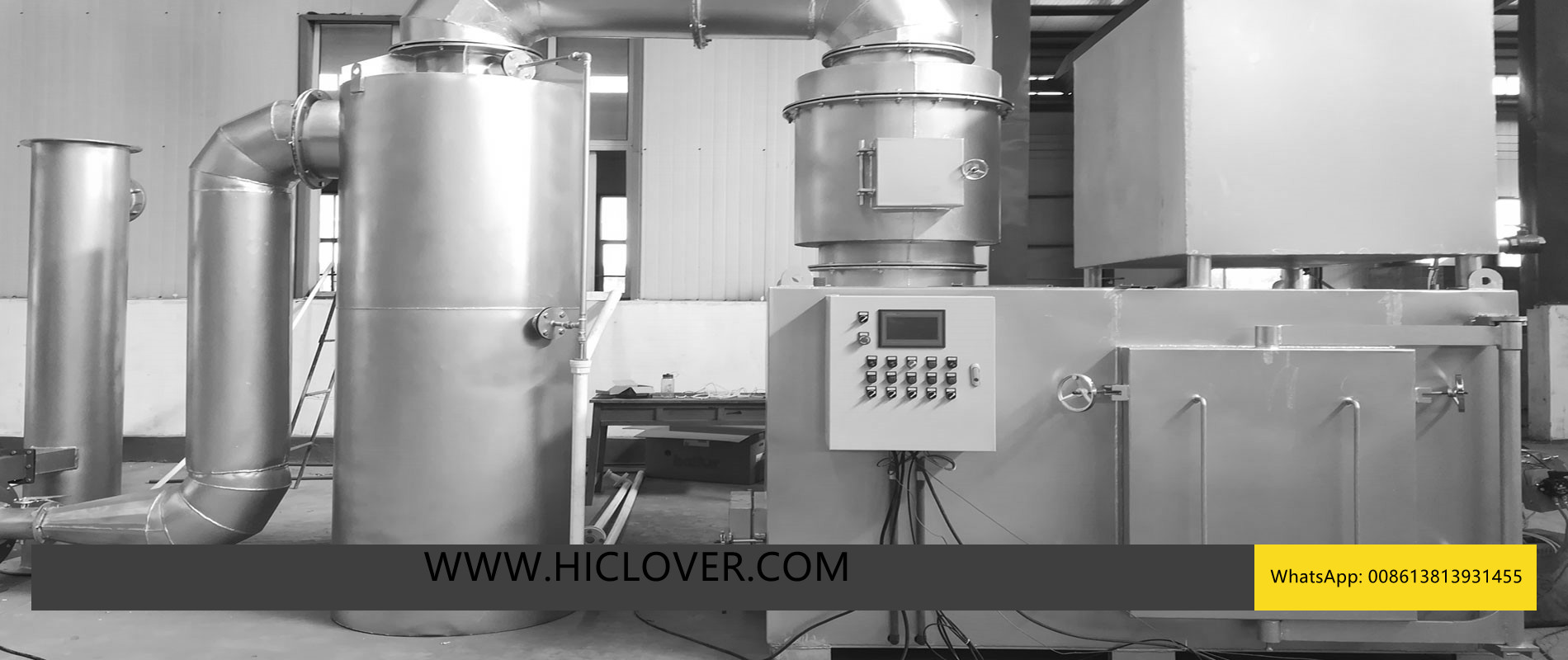
The control system is the operational brain of the incinerator, dictating its efficiency, safety, and emissions compliance. While manual systems exist, they are highly dependent on operator skill and diligence, leading to potential inconsistencies in combustion quality and safety risks. HICLOVER champions the integration of Programmable Logic Controller (PLC) systems. A PLC-controlled automatic waste incinerator automates the entire combustion cycle. It precisely manages burner modulation, air intake, chamber temperatures, and safety interlocks based on real-time sensor feedback. This level of digital automation ensures that optimal combustion conditions are maintained consistently, maximizing the incinerator for waste minimization by achieving higher burnout rates and producing sterile, inert ash. Furthermore, PLC systems facilitate data logging for regulatory reporting and can be integrated with remote monitoring capabilities, aligning with the industrial trend toward digital oversight and predictive maintenance. The use of high-quality components, such as Italian-engineered burners, further enhances the reliability and performance of these automated systems. Detailed information on industry standards for such equipment can be found through targeted queries like medical+incinerator+secondary+chamber+temperature+standard.
Flue Gas Treatment: Dry vs. Wet Scrubber Technologies
Post-combustion flue gas treatment is a critical stage for ensuring environmental compliance, particularly in regions with stringent air quality regulations. The secondary chamber neutralizes most organic pollutants, but acid gases (like HCl and SOx) and particulate matter may still be present. HICLOVER offers optional flue gas treatment systems, primarily dry and wet scrubbers, to address these emissions. A wet scrubber passes the exhaust gas through a liquid medium (often a caustic solution) that absorbs and neutralizes acidic components. They are highly effective but produce a liquid effluent that requires further treatment. A dry scrubber system involves injecting a powdered alkaline