The Economic Imperative of Advanced Thermal Treatment: A Cost-Benefit Analysis of HICLOVER Waste Incinerator Systems
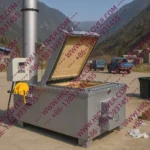
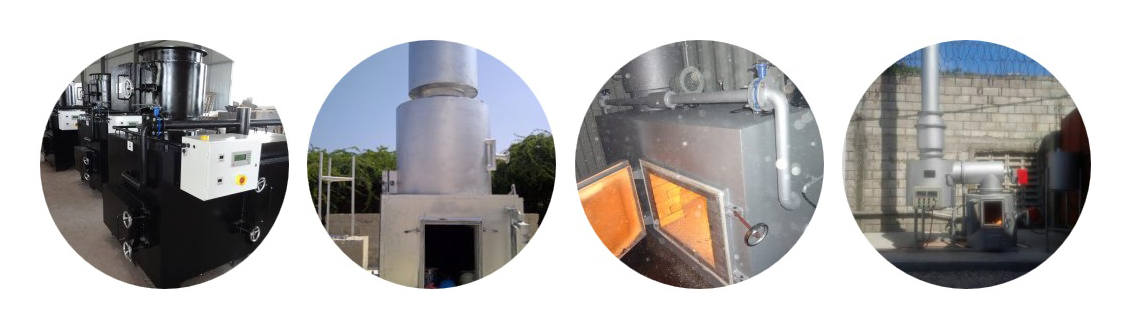
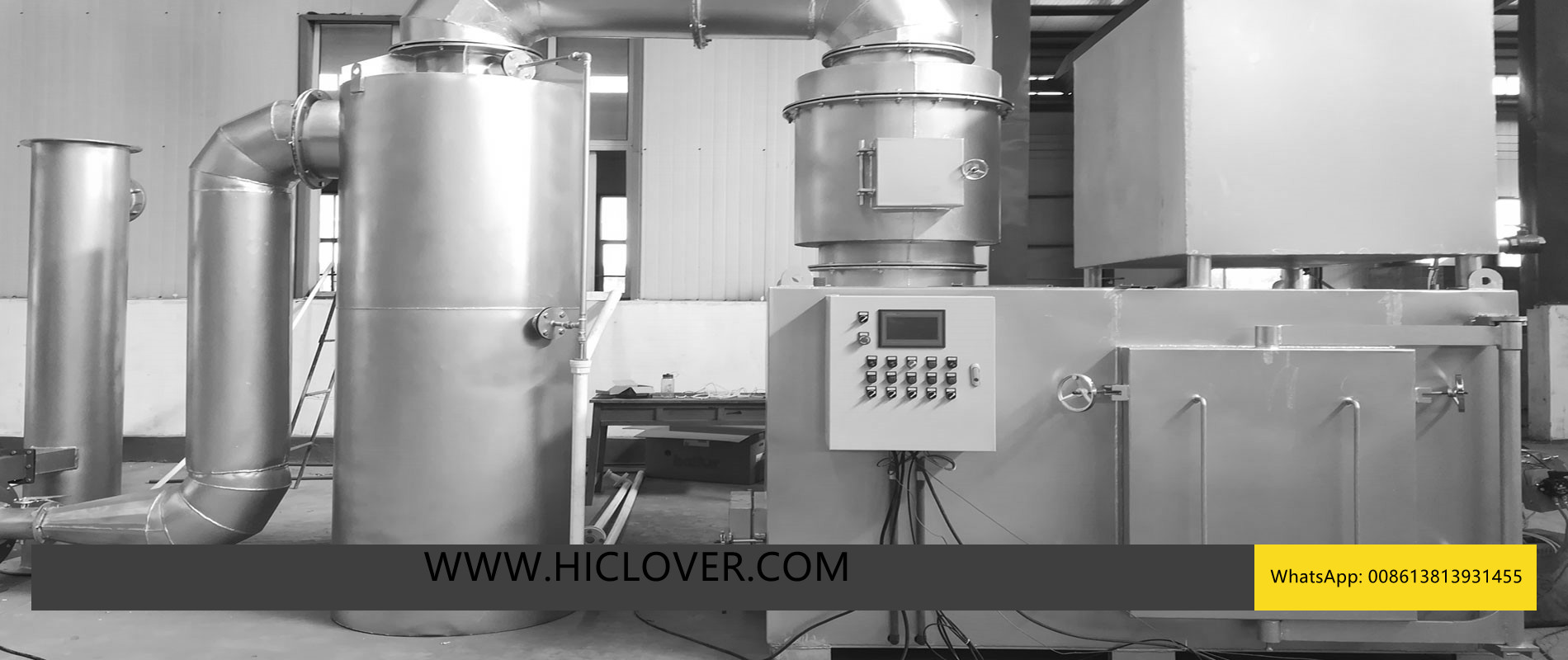
The effective management of complex waste streams presents a persistent engineering and economic challenge for industries, healthcare facilities, and municipalities worldwide. The deployment of a **HICLOVER waste incinerator** represents a strategic investment in operational resilience, regulatory compliance, and long-term cost control. These systems are not merely disposal units; they are highly engineered thermal treatment plants designed to meet stringent **medical incinerator operating temperature standards** and global emission protocols. Achieving complete combustion through precise temperature and retention time control is the foundational principle, ensuring the irreversible destruction of hazardous components and a significant reduction in waste volume. The engineering reliability of these waste incinerators is paramount, providing a predictable and secure method for on-site waste elimination, thereby mitigating the extensive risks and costs associated with third-party transport and disposal.
Foundational Engineering Principles and Regulatory Compliance
The economic viability of any thermal waste treatment system is intrinsically linked to its engineering design and its ability to consistently meet regulatory benchmarks. An improperly designed or operated unit can lead to significant financial penalties, operational downtime, and environmental liability. Therefore, a deep understanding of the core combustion principles and the international standards governing them is essential for any technical professional evaluating such an investment. The modern **HICLOVER waste incinerator** is the culmination of decades of engineering refinement