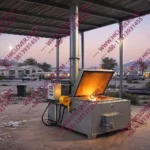
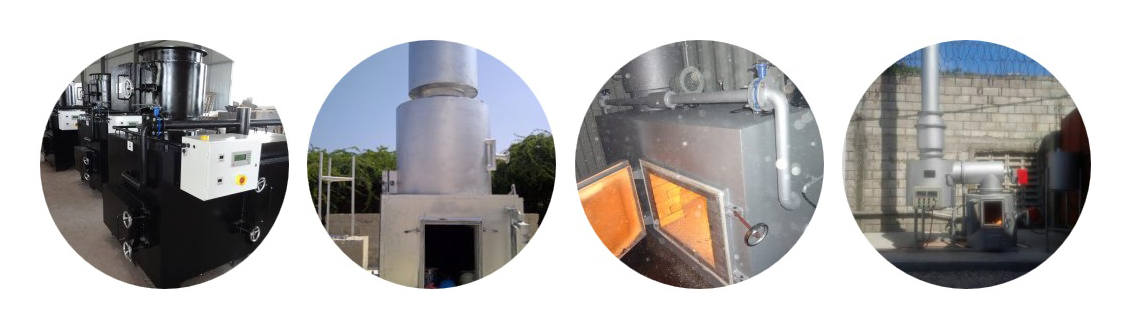
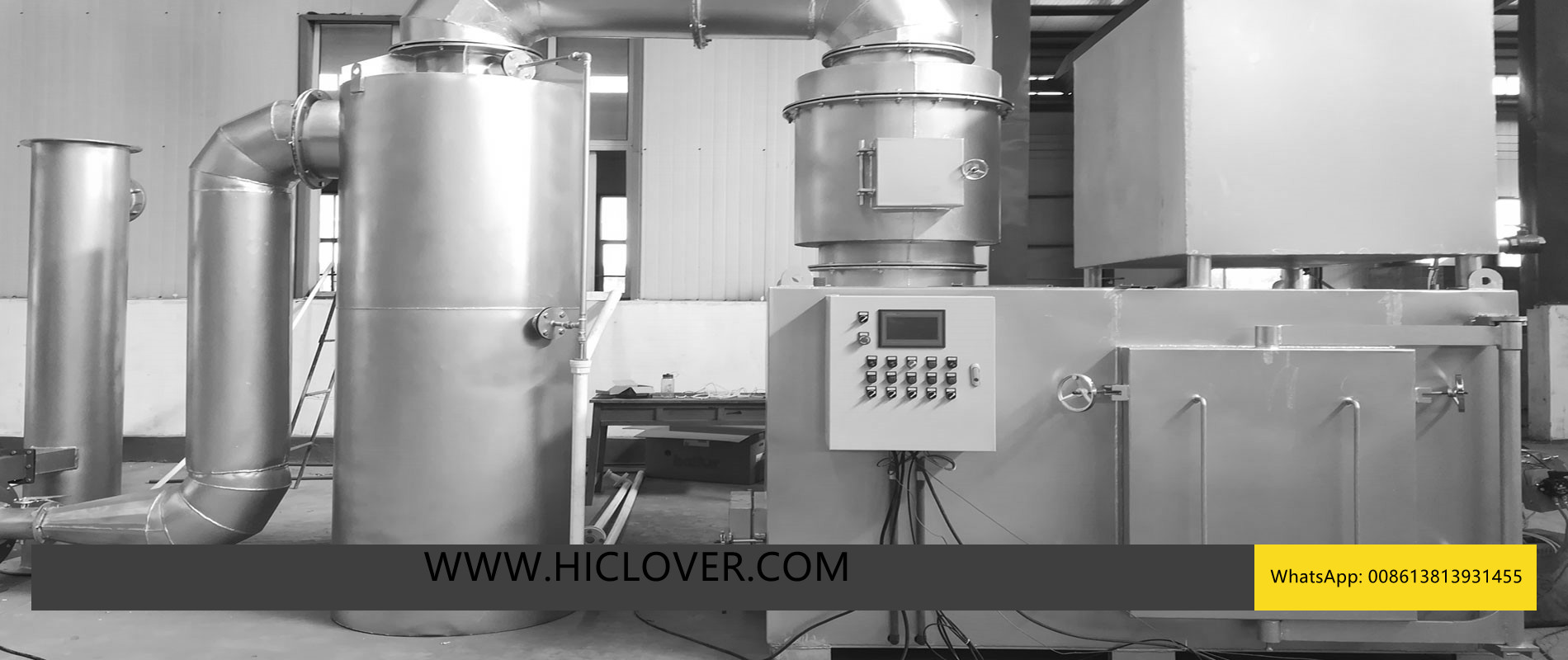
Technical Q&A: Operational Parameters and System Design for HICLOVER Waste Incinerators
The effective thermal treatment of solid waste streams is a critical engineering discipline, governed by stringent regulatory frameworks and complex operational parameters. Modern **waste incinerators** are sophisticated systems designed for high-efficiency destruction of hazardous and non-hazardous materials, ensuring public health and environmental protection. Achieving optimal performance requires a deep understanding of combustion science, flue gas treatment, and system automation. This guide addresses key technical questions regarding the design, operation, and application of these systems, with a focus on compliance with standards such as **medical incinerator operating temperature standards**. The engineering reliability of HICLOVER **waste incinerators** is predicated on achieving consistent operational temperatures, typically ranging from 850°C in the primary chamber to over 1100°C in the secondary, ensuring complete destruction of pathogens and toxic compounds through controlled thermal oxidation.
Fundamental Operational Principles and Compliance Standards
What are the core combustion principles governing modern waste incinerators?
The operational efficacy of any high-performance waste incinerator is fundamentally based on the “3Ts” of combustion: Temperature, Time, and Turbulence. These three interdependent variables dictate the completeness of the thermal destruction process. High temperatures, typically exceeding 850°C, are required to initiate and sustain the chemical breakdown of waste materials into basic components. The residence time, or the duration that combustion gases are held at this elevated temperature, is critical for ensuring that complex organic compounds, pathogens, and volatile organic compounds (VOCs) are fully oxidized. A minimum residence time of two seconds in the secondary combustion chamber is a widely accepted benchmark. Turbulence refers to the thorough mixing of combustion air (oxygen) with the waste gases, which is essential for achieving stoichiometric combustion and preventing the formation of products of incomplete combustion (PICs), such as carbon monoxide and dioxins.
HICLOVER **waste incinerators** are engineered with these principles at their core. The primary chamber operates under starved-air or pyrolytic conditions to gasify the solid waste, minimizing particulate carryover. The resulting syngas is then directed into a secondary chamber where excess air and high temperatures (often above 1100°C) are introduced via strategically placed burners and air nozzles. This engineered turbulence ensures complete mixing and oxidation, effectively destroying residual hydrocarbons and chlorinated compounds before they enter the flue gas treatment system. This dual-chamber design is a cornerstone of modern **incinerator for incineration plant design**.
How do dual-chamber systems achieve regulatory compliance for emissions?
Dual-chamber incineration is the standard for meeting stringent international emissions regulations, including those set forth by the World Health Organization (WHO) and various EU Directives. The system segregates the combustion process into two distinct, optimized stages. The primary chamber is designed for the controlled gasification of solid waste at lower temperatures (around 800-850°C) and under sub-stoichiometric (oxygen-starved) conditions. This process minimizes the volatilization of heavy metals and reduces the formation of fly ash.
The combustible gases produced in the primary chamber are then transferred to the secondary chamber, often called the thermal oxidizer or afterburner. Here, a surplus of air is injected along with auxiliary fuel to raise the temperature to 1100°C or higher. The combination of high temperature and a gas residence time of at least two seconds ensures the complete destruction of hazardous organic compounds, including persistent organic pollutants (POPs) like dioxins and furans. This high-temperature stage is critical for breaking down these stable molecules into simpler, less harmful compounds like carbon dioxide, water, and hydrochloric acid. The precise control over this secondary combustion phase is what allows modern **waste incinerators** to comply with strict emission limits for carbon monoxide (CO), total organic carbon (TOC), and other pollutants. The design ensures that flue gases are fully treated before they are cooled and passed to the air pollution control system.
What are the key temperature and residence time parameters required by international standards?
International standards for waste incineration are designed to ensure the destruction of pathogens and hazardous chemical compounds. A primary reference point is the EU’s Industrial Emissions Directive (IED), which provides a robust framework. For non-hazardous waste, the directive mandates that flue gases are held at a temperature of at least 850°C for a minimum of two seconds. However, for waste containing more than 1% halogenated organic substances (expressed as chlorine), the required temperature is elevated to at least 1100°C for two seconds. This higher temperature is necessary to ensure the complete destruction of chlorinated and brominated compounds that can otherwise form dioxins and furans.
These parameters are not arbitrary; they are based on extensive scientific research into the thermal decomposition kinetics of toxic compounds. The two-second residence time at these temperatures provides a sufficient window for complex molecular bonds to be broken. You can find more specific regulatory details by searching for resources like the [https://www.google.com/search?q=incinerator+secondary+chamber+residence+time+EU+directive](www.google.com/search?q=incinerator+secondary+chamber+residence+time+EU+directive). HICLOVER systems are engineered to meet and often exceed these requirements, with PLC systems continuously monitoring and adjusting burner output and airflow to maintain the specified temperature and ensure the residence time is achieved under all operating conditions. This automated control is a key element of modern **incinerator safety guidelines** and operational reliability.
System Design, Customization, and Application Scenarios
How does a small-scale incinerator differ from a large municipal plant in terms of design and application?
The design philosophy behind a **small-scale incinerator** is fundamentally different from that of a large-scale municipal waste-to-energy facility. Municipal plants are complex, capital-intensive installations designed to process thousands of tons of waste per day, often incorporating energy recovery systems like steam turbines. Their primary objective is volume reduction for landfill and, increasingly, power generation.
In contrast, a **small-scale incinerator**, such as those manufactured by HICLOVER with capacities typically ranging from 50 to 500 kg/hr, is engineered for decentralized waste management. These systems are designed for specific waste streams at the point of generation, such as medical waste at hospitals, contaminated materials at research labs, or general waste at remote mining camps, humanitarian aid stations, and island communities. Their design emphasizes operational simplicity, a smaller footprint, and rapid deployment. They are often self-contained, pre-engineered systems that do not require the extensive civil works of a large plant. While some models can be equipped with heat recovery options for hot water or air, their primary function is safe, compliant waste destruction rather than large-scale energy production. This focus on decentralized solutions aligns with modern trends in **supply chain resilience** and rapid response for global infectious disease preparedness.
What are the advantages of containerized versus fixed-installation waste incinerators?
The choice between a containerized and a fixed-installation incinerator depends entirely on the application’s logistical and operational requirements. A fixed installation is a permanent structure built on a concrete foundation, suitable for long-term, high-volume operations at a single location like a central hospital or a regional waste treatment facility. It allows for larger capacities and more extensive ancillary equipment.
Containerized **waste incinerators** offer unparalleled flexibility and speed of deployment. HICLOVER specializes in these mobile modular systems, where the entire incinerator, fuel tank, generator, and flue gas treatment equipment are pre-installed within a standard ISO shipping container. This “plug-and-play” design offers several distinct advantages. It drastically reduces on-site civil engineering and installation time, as the unit arrives factory-tested and ready for connection to power and fuel. This makes it an ideal solution for remote locations, temporary projects like construction camps, or emergency response scenarios such as disease outbreaks or natural disasters. The container provides a robust, weather-proof housing for the equipment and enhances security. This modular approach is a key enabler for establishing effective, decentralized waste management infrastructure in areas lacking permanent facilities.
How does PLC automation enhance operational efficiency and safety in an incinerator for incineration plant design?
The integration of Programmable Logic Controller (PLC) systems represents a significant advancement in the operation of **waste incinerators**, moving beyond manual control to achieve higher levels of precision, safety, and efficiency.